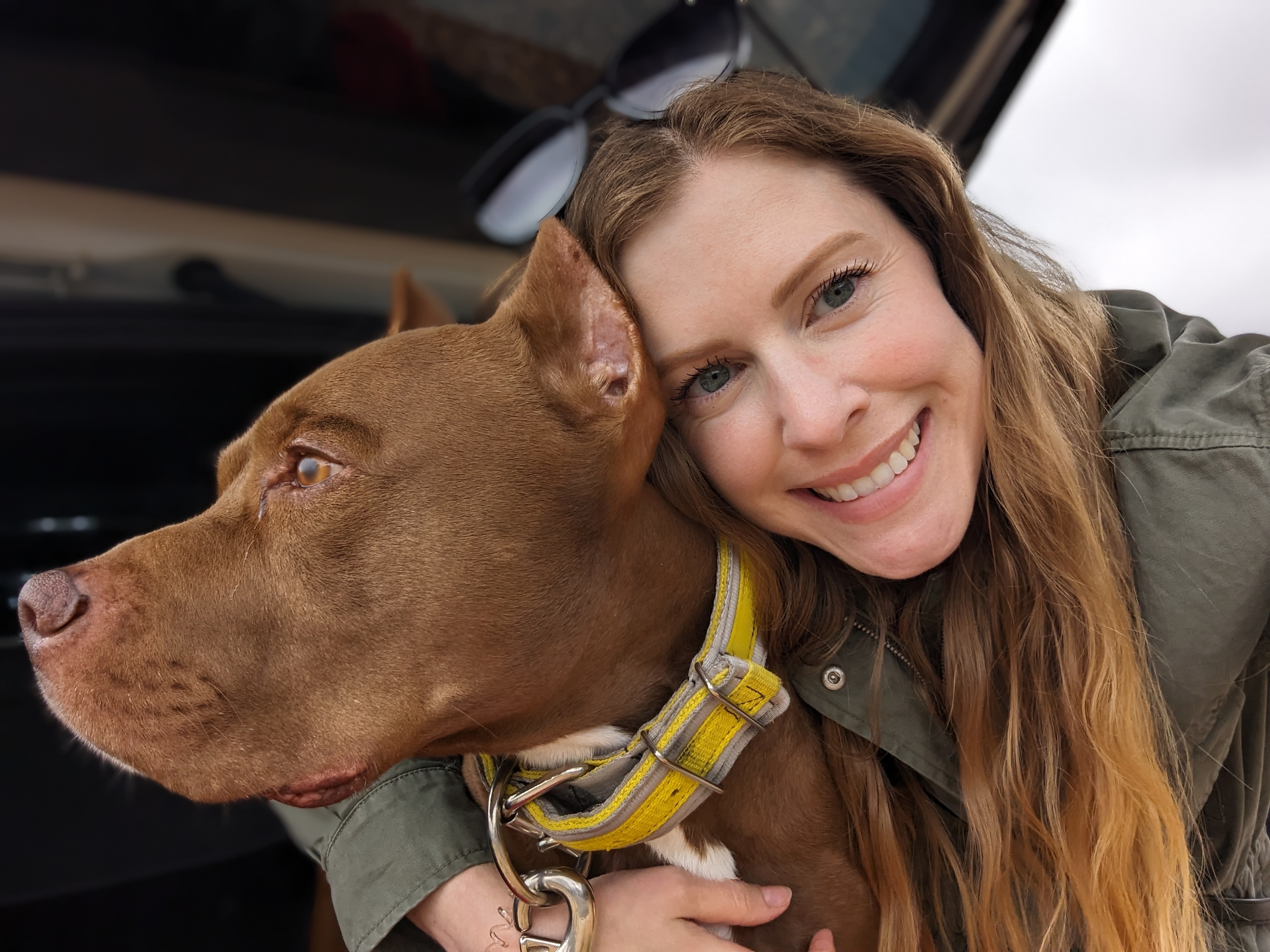
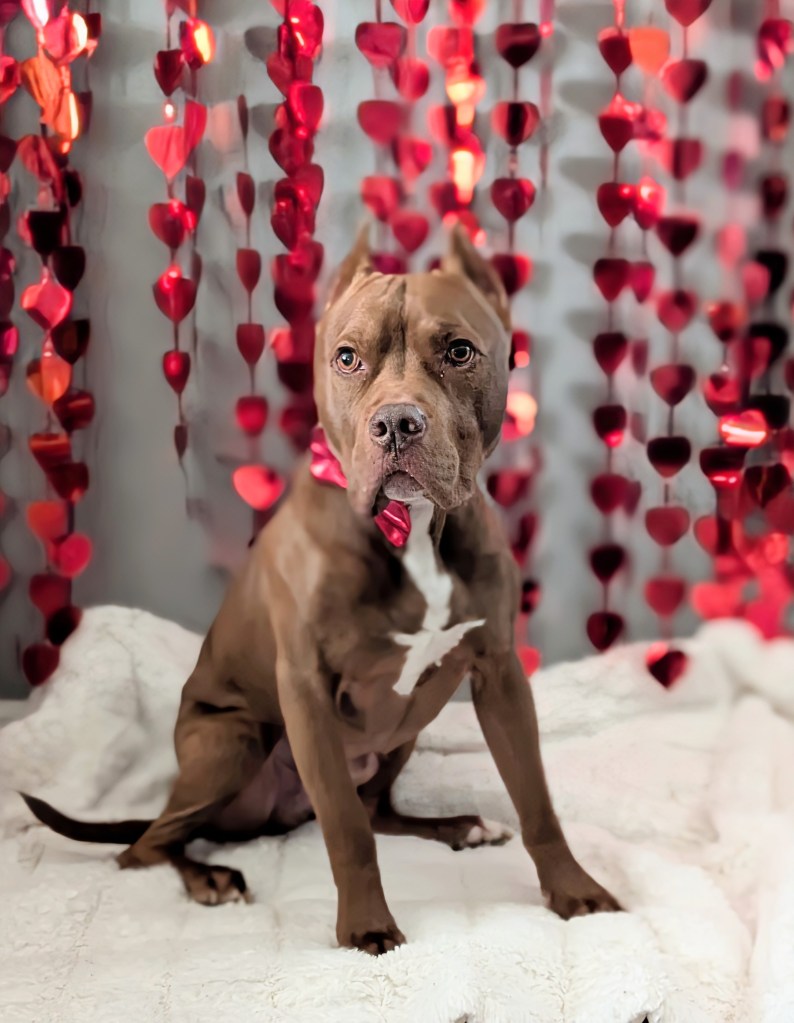
King just turned 12 years old on February 3rd.
King is the first dog I’ve had of my own, as an adult. I got him when my now husband and I were still dating. We got him as a puppy from a breeder in Florida. When you get a dog from a breeder, you think I’m paying all of this money, I need to make sure I raise this dog to the best of my ability. At least that’s how we thought about it. (Please no “adopt don’t shop” shaming – I know you can find great dogs in shelters also).
What I wasn’t prepared for, was the bond that we created- The love that has wrapped around my heart. A “soul dog” is a term I hear on Instagram a lot and that is exactly what I feel with King. He has been my best friend, and at times, my only friend since 2013. As he has been aging, very well I might add, I just can’t help but feel the heart wrenching sadness of eventually losing him.
If you are in my shoes or will be in my shoes, please treat your senior dogs with special care. All dogs at all ages deserve special care, but as they become seniors, there are things that you can do for them that will make the end of their journey more comfortable and enjoyable! I would love to share some advice from my personal experience for what has worked for us, in hopes that it can benefit you.
Keeping your senior dog healthy:
If you have the dog from a younger age, this can start before they become a senior.
Did you now that the age of a senior dog depends on the breed and size? It can be anywhere from 7 years old, for large dogs- all the way to 11 years old, for smaller dogs.
We believe King became a senior closer to 10 years old, at least that’s when we started noticing a slight difference in his level of activity and behavior.
Keeping your senior dog healthy starts with keeping their weight in check. This goes for both dogs and humans, but as we age, our joints become stiff and muscles become weak. If you make sure the dog is not overweight, that REALLY benefits their joints as they age to make sure they can remain active (which is also another key point).
Have you ever Googled, “how much should I feed my dog?” Did you find a lot of confusing answers or recommendations? Have you looked on the back of a dogfood bag or asked a vet and been given different answers? That’s because there isn’t a one answer fits all. It all depends on your dog: their age, their weight, their activity level and the foods ingredients.
Below is a recommendation from Orijen dog kibble for non senior dogs.
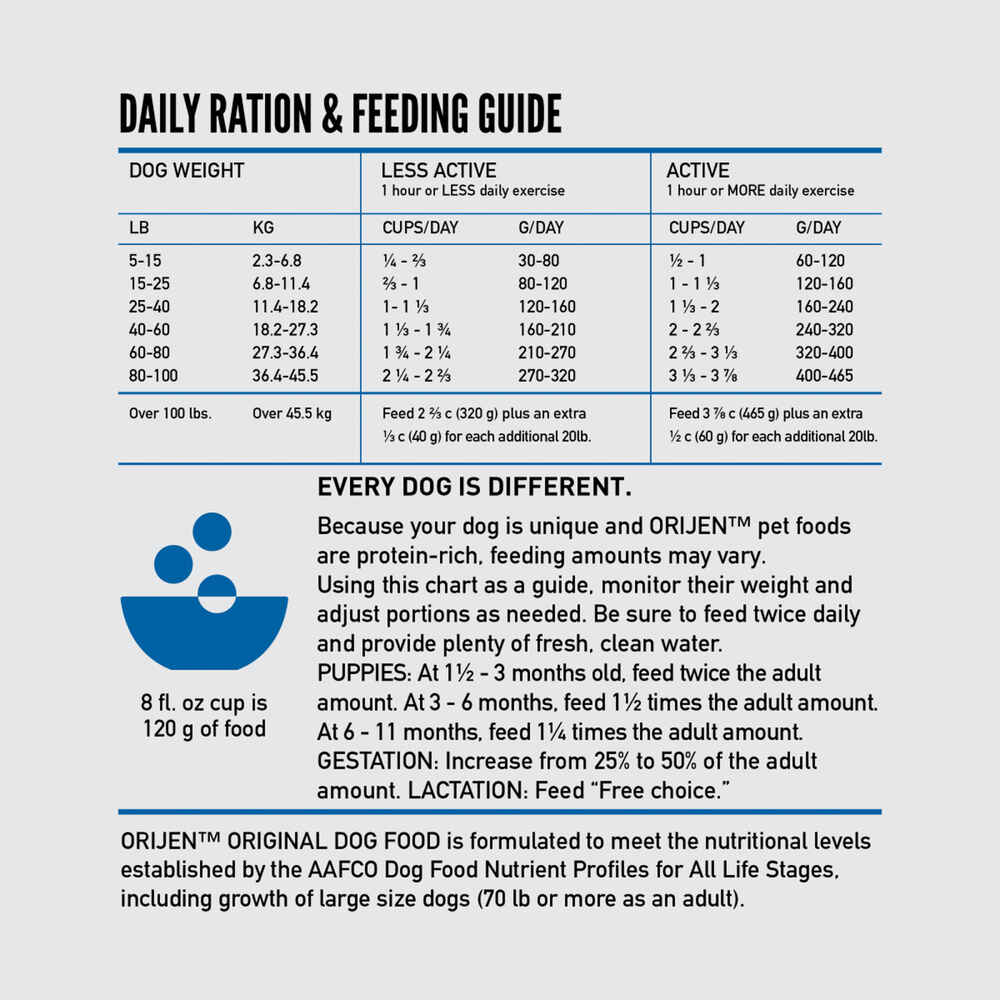
I love that they include recommendations for different activity levels. A dogs activity may not be the same everyday and their food intake should reflect that. We have been following this rule since King was a puppy and especially now that he is a senior – We believe it has really helped maintain his high quality of life. We personally feed King Orijen kibble ever since he was a puppy, it is a top quality dog food. At 12 years old, King weighs 56lbs and gets anywhere from 1 3/4 C – 2 1/4C of kibble per day, depending on his activity and amount of treats he gets throughout the day.
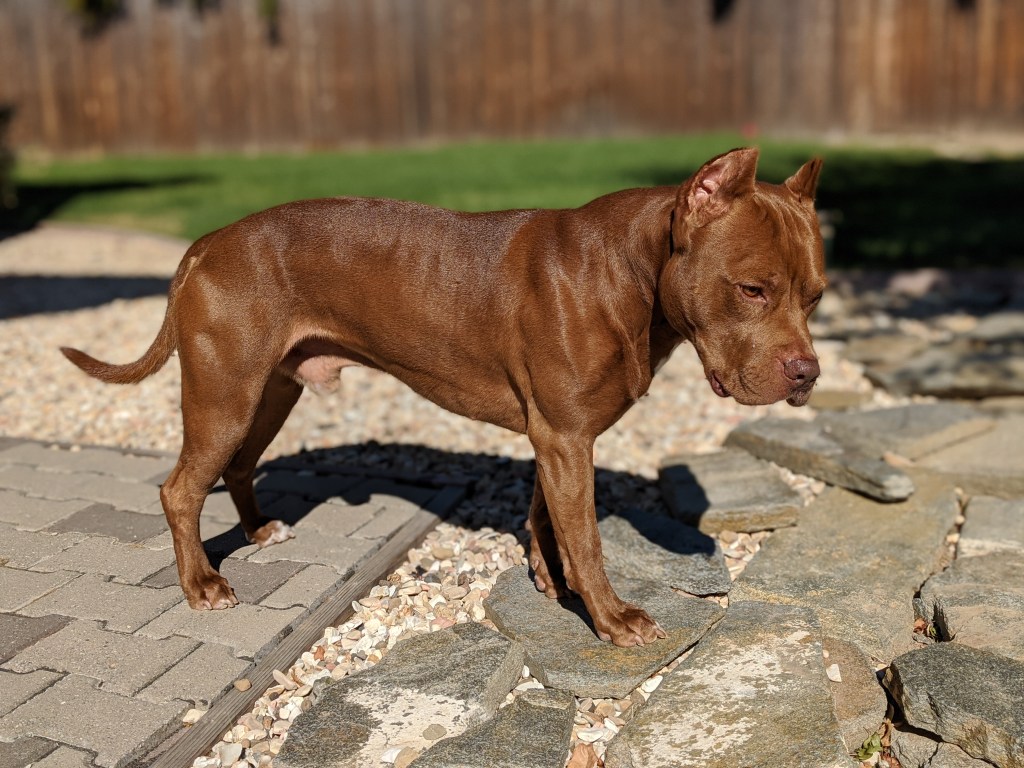
(King is usually leaner than this photo above, but this is an acceptable, healthy weight.)
So how do you determine if you are underfeeding or overfeeding your dog? A lean, fit dog will have a trim waistline. Yes, dogs are supposed to have waistlines! They are not supposed to look like sausages. You should be able to feel their ribs when you are petting them, but you do not want them sticking out. If you have a purebred dog, there are weight guideline estimates, but as lot’s of dogs are mixed breeds now, you will want to go by look.
One thing we learned as King was growing up, is if a dog is underfed, they will throw up bile in the middle of the night. This means their stomach is completely empty and the amount of food you are giving is not enough to get them through the night. If this happens to you, try adding 1/4 C of kibble to their total intake and see if that helps. Likewise, if you notice your dog might be gaining weight, try reducing the kibble intake by 1/4 C.
Another consideration, is that treats count towards their caloric intake as well. If you do a lot of training with high calorie treats one day, you can give them less kibble. You can also choose to do training with low calorie vegetables. That makes them think they are getting extra food that is actually healthy for them and then still get the same amount of kibble at dinner time. Keep in mind that vegetables in moderation can be healthy for a dog, but in excess can cause upset stomach. Always check if a human food is safe before giving it to your dog. A quick Google search will keep your pet safe.
Keep your senior dog ACTIVE.
The more active you keep your dog throughout their life, the longer they will remain active. You don’t always want the activity to be intense or high impact. Playing fetch, where the dog runs really fast and stops abruptly can be tough on the joints. Likewise, rough playing at the dogpark or dog beach, can have similar affects. Low impact activities like walking or swimming are perfect for senior dogs.
Growing up, King would go on weekly 5 mile hikes, weekly swimming, run at the beach, run on his treadmill, play with a flirtpole, or tug of war. Zoomies were a regular occurrence. Now his regular activities are 30 min walks (usually flat or slight hills), swimming (when warm enough), walking at the beach, and maybe a 5 min jog on his treadmill. It is also important to note that even though your dog may want to try to do things they used to do, for the length they used to do it (for instance, hiking multiple miles), that could end up causing an injury and having them less mobile in the long run.
It is sad to see your dog start to show their age, but keeping them safely active as much as possible will keep them “younger” longer.
Physical Therapy and assisted stretching are GREAT for senior dogs.
Sometime during the year when King was 11, I noticed he didn’t have enthusiasm to go on walks anymore. When I made him walk, he would walk pretty slowly, just wanting to turn around and go home. I also noticed he wasn’t stretching out his back legs on his own- He would do downward dog, but not upward dog. It finally hit me, that maybe he doesn’t want to walk because of stiff joints! I reached out to a vet friend and told her of my hypothesis and she sent me over some stretches I could help him do at home. Boy, did I see a difference in King after just a few times of doing the stretches with him.
After some time of doing the assisted stretches with King, he eventually started doing them on his own! Every once in awhile, I’ll notice him not stretching his back legs as often and then I know to step in and assist him a little more. I’ve even tried the stretches on the dogs I petsit for and they all enjoy it so much. Please give it a try on your pup!
There are also physical therapy exercises that can help with your dogs mobility. I have not personally tried any, but I see our friends on Instagram do them with their dogs and they are very beneficial.
Adding Suppliments
The last line of defense for helping your dog maintain their mobility, are supplements. Now, if you feed a good quality food, you shouldn’t need to supplement too much. We did not start adding anything for King until he was about 9 years old. Our vet had recommended Glucosamine for joint health.
Now Orijen kibble has natural ingredients that contain glucosamine, but we wanted to add extra. We went with Nutramex Cosequin and he has been taking that everday for a couple years now. You can also try green lipped mussle powder supplement for joint mobility. We’ve recently added this to King’s dinner routine and so far he loves the powder.
I hope that these tips can help you and your senior pup! This information is just based from my personal experience as a dog owner. I am not an animal professional.
Find us on Instagram – King.APBT and tell us if you’ve tried anything that has helped.
Please know there are affiliate links in this article that I can earn a commission on if you purchase anything.
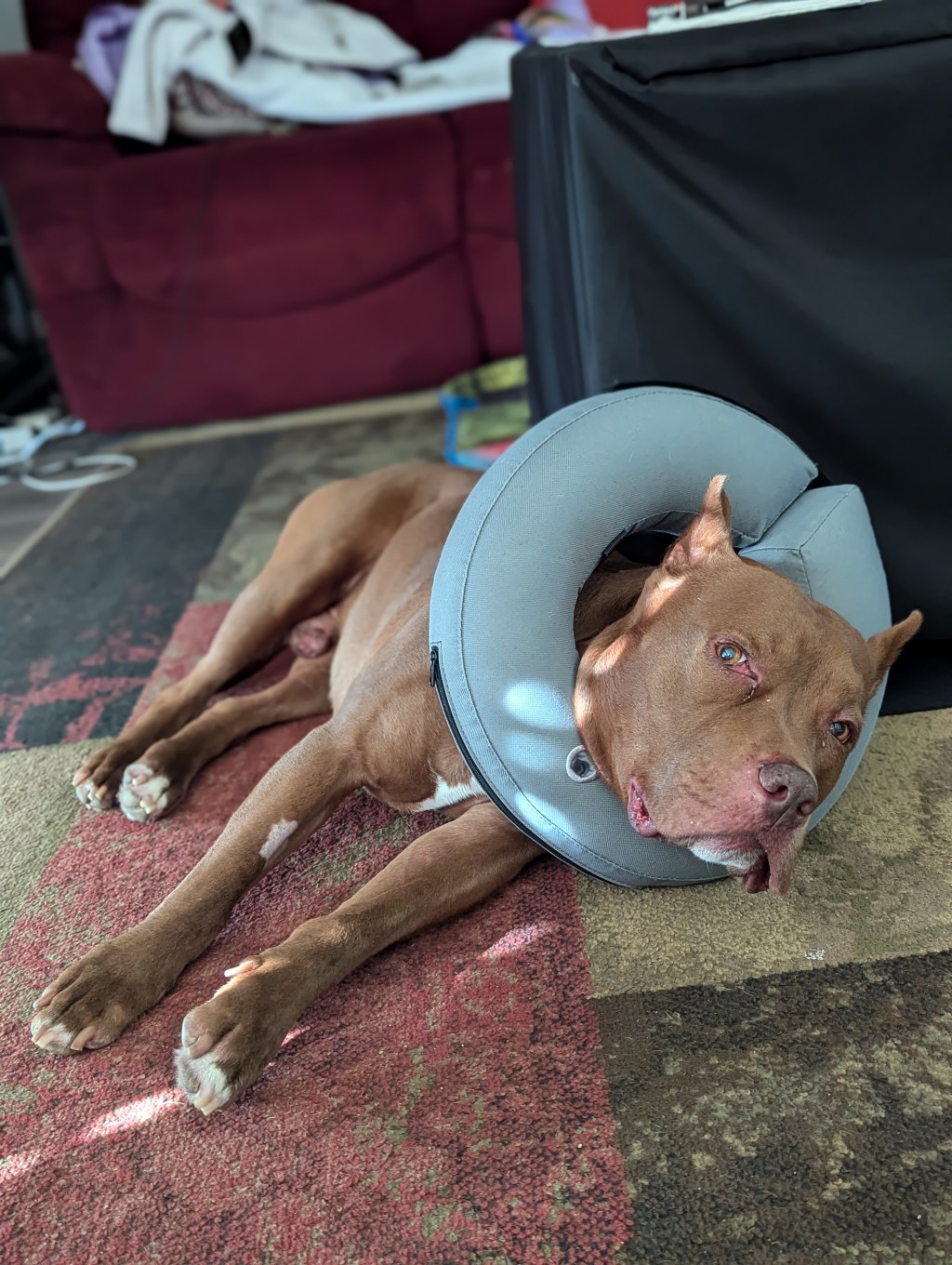
 Lacey & King
Leave a comment